5 Facts Patients Need to Know About Ridge Augmentation from a Periodontist
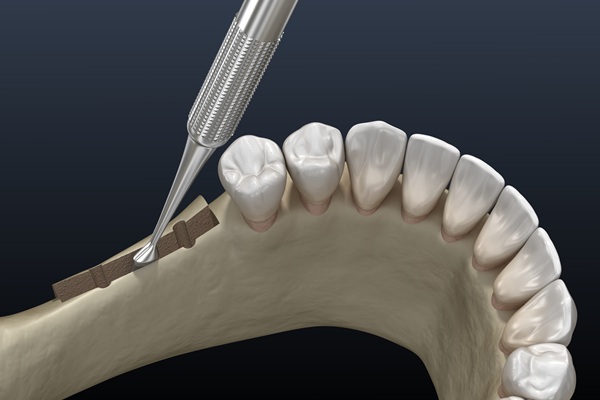
Periodontists perform ridge augmentations to restore and rebuild the bone in areas where it has been lost or diminished, often as a result of tooth loss or trauma. This procedure is vital for patients who require dental implants but lack sufficient bone structure to support them. Understanding ridge augmentation can help patients make informed decisions about their oral health and the most effective treatment for their needs. Here are five essential facts patients should know about ridge augmentation and how it can benefit them.
1. Ridge augmentation is often necessary for dental implants
One of the most common reasons for undergoing ridge augmentation is to prepare the jawbone for dental implants. After a tooth is lost, the bone in the area begins to shrink, a process known as bone resorption. Over time, this loss of bone can make it difficult or impossible to place a dental implant successfully.
Ridge augmentation helps restore the bone, creating a more stable and adequate foundation for implants. This procedure is particularly useful in areas where there is not enough bone height or width for proper implant placement. In many cases, ridge augmentation is performed before the actual placement of the dental implant to ensure the bone is sufficiently healthy and structured to support it.
2. The procedure involves bone grafting
Ridge augmentation often involves the use of bone grafting materials to rebuild the lost bone. These materials may come from different sources: the patient's own body (autograft), a donor (allograft), synthetic materials (alloplastic), or animal bone (xenograft). The bone graft material is placed in the area where the bone has been lost, stimulating new bone growth.
The periodontist may use a membrane to cover the graft, protecting it during the healing process and helping guide the new bone formation. Over time, the graft material integrates with the patient's natural bone, resulting in a stronger and more stable foundation for dental implants. The selection of the grafting material will depend on the patient's specific needs and the periodontist's recommendation.
3. Recovery time varies
The recovery time after ridge augmentation can vary depending on the patient's health, the extent of the bone loss, and the type of graft the periodontist uses. Typically, patients may experience some swelling, discomfort, and bruising in the treated area following the procedure. The periodontist will provide detailed aftercare instructions, including guidance on managing pain and reducing swelling.
Patients must follow these instructions carefully to ensure proper healing and prevent complications. The bone regeneration process is gradual, and it can take several months for the graft material to fully integrate with the patient's natural bone. Once the ridge augmentations site has healed, the periodontist will schedule a follow-up appointment to evaluate the site and determine the readiness for dental implant placement.
4. Ridge augmentation improves function and aesthetics
In addition to its role in supporting dental implants, ridge augmentation can also improve the appearance and function of the mouth. When the bone in the jaw shrinks, it can result in an altered facial appearance, especially in the area of the gums and lips. Ridge augmentation helps restore the shape and structure of the jaw, resulting in a more natural and aesthetically pleasing appearance.
The procedure can also enhance the function of the mouth by helping patients regain the ability to chew and speak comfortably. For patients who have experienced bone loss due to tooth extraction or trauma, ridge augmentation provides an opportunity to enhance both the form and function of their smile.
5. Not all patients are candidates for ridge augmentation
While ridge augmentation can benefit many patients, it is not suitable for everyone. A periodontist will thoroughly evaluate the patient's oral and overall health before recommending the procedure. Factors such as the extent of bone loss, the patient's medical history, and the presence of any underlying health conditions will influence whether ridge augmentation is the right option.
Patients who smoke or have conditions like diabetes may face a higher risk of complications during healing, and their suitability for the procedure will be carefully assessed. In some cases, the periodontist may recommend alternative treatments if ridge augmentation is not feasible. Patients do not need to determine if the are a candidate on their own. The periodontist will discuss all available options to ensure that the patient's needs are fully met.
Call us for more information
Ridge augmentation is a crucial procedure for many patients who need to restore bone after losing one or more teeth. This procedure enhances the stability and functionality of the mouth while improving overall aesthetics. To learn more about ridge augmentation or to schedule an appointment, contact Periodontal & Implant Specialists today.
Request an appointment here: https://perioimplantsfortmyers.com or call Periodontal & Implant Specialists at (239) 791-7667 for an appointment in our Fort Myers office.
Check out what others are saying about our services on Yelp: Ridge Augmentation in Fort Myers, FL.
Related Posts
Taking care of your family's dental health is important to help maintain your and your children's overall health and well-being. Regular visits to a family dentist can help identify and treat dental problems before they become more serious and require more intensive care. However, finding the right family dentist can be daunting, especially if you…
Walking around with an incomplete smile can impact multiple areas of your life, from confidence and oral health to diet and function. Fortunately, All-on-4® can help whether you are missing all or most teeth. Here is a closer look at the details of this popular restoration option.All-on-4 or "all-in-4" are four to six dental implants…
You should consider seeing a family dentist if you have children. This allows your entire household to get their dental needs met at the same time instead of driving all over town to drop each member of your family off at their dentist.A family dentist is a general dentist who spends most of their time…
All-on-4® dental implants are permanent full-arch restorations. This alternative to dentures restores the teeth without the use of a removable device. Instead, All-on-4 functions like real teeth, providing various benefits beyond simply restoring one's smile. Here are a few pros and cons of All-on-4 implants.Dental implants are screwlike posts that act as replacement tooth roots.…