What Is a Gingivectomy, and When Do You Need One?
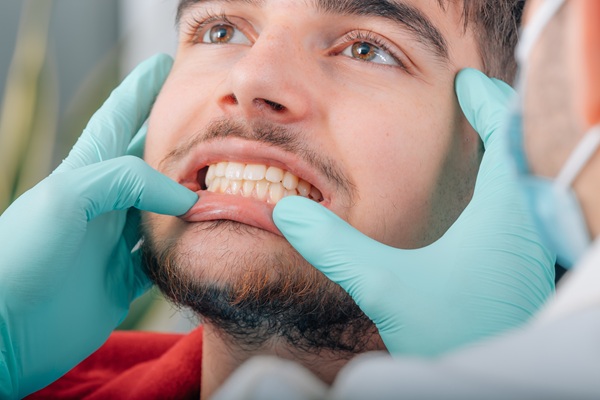
Gingivectomy removes excess or diseased gum tissue to create a healthier, easier-to-clean contour around the teeth. Dentists often refer patients to a periodontist when a gingivectomy can reduce inflammation, improve access for hygiene, or restore a balanced smile line. Understanding how a gingivectomy works, when it is appropriate, and what recovery involves helps patients feel prepared and confident. With careful planning and modern techniques, this procedure supports long-term gum and bone health while enhancing comfort and function.
What a gingivectomy involves
A gingivectomy is a surgical reshaping of the gum margin. The periodontist measures pocket depths, maps the current gum line, and removes specific amounts of soft tissue to reach a healthy architecture. The goal is to eliminate chronically inflamed gum pockets, reduce plaque accumulation, and establish contours that support home care. Depending on the case, the specialist may use traditional instruments, electrosurgery, or a dental laser. Each method aims to deliver precise tissue removal, stable bleeding control, and a predictable new gum line that heals efficiently.
When a gingivectomy becomes the right choice
This procedure fits several common scenarios. Patients with persistent gum swelling after thorough cleanings and medication often benefit when deeper pockets block access to plaque removal. Further, excess gum tissue from genetics, medications, or orthodontic changes can also trap plaque and create recurring irritation. In aesthetic cases, a gingivectomy helps align uneven gum margins that make teeth appear short or asymmetrical. The decision follows a full periodontal exam, bite assessment, and imaging, because the health of the underlying bone and attachment determines whether soft-tissue reshaping alone will meet the goals.
Signs that suggest a gingivectomy is necessary
Daily care struggles and recurring symptoms often point toward treatment. Consider an evaluation with a periodontist if any of the following persist despite professional cleanings and consistent brushing and flossing:
- Gum pockets that bleed easily, feel tender, or trap food around specific teeth
- A "gummy" smile or uneven gum heights that affect lip balance or appear to overtake the teeth
- Difficulty placing floss or interproximal brushes due to swollen tissue rims
These patterns suggest that contouring the gum line could reduce inflammation and improve the effectiveness of home care. A periodontist will confirm the cause and discuss whether a gingivectomy or another therapy best fits the findings.
How the procedure and recovery unfold
The visit begins with local anesthesia to ensure comfort. The periodontist marks the ideal new gum margin, removes targeted tissue, refines the edges, and, if necessary, protects the site with dressings. Most appointments last less than an hour for limited areas, though larger cases can require staged visits. After treatment, patients receive detailed instructions, including using a prescribed rinse, avoiding vigorous brushing at the edges, and choosing soft, cool foods for the first day. Moreover, over-the-counter (OTC) pain relief usually manages post-operative soreness. Follow-up checks confirm healing, fine-tune hygiene strategies, and verify that pocket depths have reduced to maintainable levels.
Benefits that come with a gingivectomy
A well-planned gingivectomy improves both health and confidence. Smoother contours reduce plaque retention and bleeding, simplifying daily home care and decreasing the risk of future periodontal breakdown. Many patients also notice a more harmonious smile, especially when the procedure evens out tooth-to-gum proportions across the front teeth. By improving access to professional cleanings, the treatment supports long-term stability. Considering the procedure targets soft tissue while preserving supportive bone, recovery typically progresses quickly, and results remain stable with consistent hygiene and routine periodontal maintenance.
Preparation and aftercare
Preparation improves comfort and outcomes. Bring a current medication list and alert the office to any anticoagulants or conditions that affect healing. Arrange a soft-food plan for the first day, pick up recommended rinses ahead of time, and plan to limit strenuous exercise for 24 hours. After a gingivectomy, long-term success relies on meticulous brushing, interdental cleaning, and routine professional visits.
Custom instruction on technique and tools, such as interdental brushes or water flossers, helps protect the new gum architecture. Most patients return to normal routines quickly, but careful adherence to post-operative guidelines ensures smooth healing. If questions arise about sensation, appearance, or hygiene technique during recovery, prompt communication with the periodontist keeps progress on track.
Schedule a visit today
A gingivectomy offers a precise, effective way to reduce inflammation, improve access for cleaning, and create a balanced smile line. With a thorough examination, clear goals, and a personalized plan, a periodontist can use gingivectomy techniques to support healthy gums today and stable results for years to come. For more information or to schedule an appointment, call our office.
To schedule a consultation, request an appointment on our website at https://perioimplantsfortmyers.com or call Periodontal & Implant Specialists at (239) 791-7667 for an appointment in our Fort Myers office.
Check out what others are saying about our services on Yelp: Gingivectomy in Fort Myers, FL.
Related Posts
Walking around with an incomplete smile can impact multiple areas of your life, from confidence and oral health to diet and function. Fortunately, All-on-4® can help whether you are missing all or most teeth. Here is a closer look at the details of this popular restoration option.All-on-4 or "all-in-4" are four to six dental implants…
You should consider seeing a family dentist if you have children. This allows your entire household to get their dental needs met at the same time instead of driving all over town to drop each member of your family off at their dentist.A family dentist is a general dentist who spends most of their time…
All-on-4® dental implants are permanent full-arch restorations. This alternative to dentures restores the teeth without the use of a removable device. Instead, All-on-4 functions like real teeth, providing various benefits beyond simply restoring one's smile. Here are a few pros and cons of All-on-4 implants.Dental implants are screwlike posts that act as replacement tooth roots.…
While gums may occasionally bleed after vigorous brushing or restarting flossing, persistent bleeding often signals gum disease or another underlying condition. In these cases, bleeding gum treatment may be necessary. A periodontist will take a careful, methodical approach not only to stop the bleeding but also to promote long-term oral and gum health.Gum bleeding often…